Milk Steaming For Latte Art Basics
 ·
August 9, 2026
·
August 9, 2026
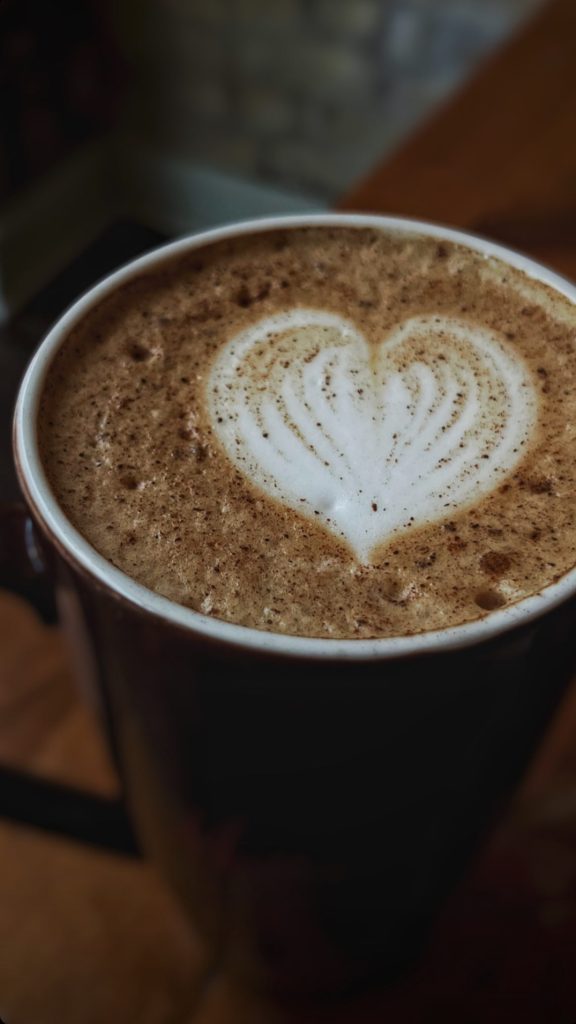
Great latte art starts with properly steamed milk, and that is a skill all its own. The goal is microfoam, milk with tiny, uniform bubbles and a silky, wet-paint texture.
Submerge the steam tip just below the surface and angle the pitcher to create a gentle whirlpool. Stretch the milk early with a soft hiss, then sink the tip to heat it through without adding more air.
The sweet spot is around sixty degrees Celsius, where the milk is warm and naturally sweet. Overheating scalds it and destroys both texture and taste, leaving a chalky, lifeless foam.
Whole milk is the easiest to work with, since its fat stabilizes the foam and produces the creamiest texture. Skim and plant milks are harder, but they are learnable with practice.
Pour slowly from a height to sink the milk, then drop close to the surface to draw your pattern. The height controls how the foam sits, and the speed controls how it spreads.
With repeated practice, the milk and the art both fall into place. Latte art is not about showing off, it is the visual proof that your milk is steamed properly.