Caffeine Content Light Versus Dark Roast
 ·
April 5, 2026
·
April 5, 2026
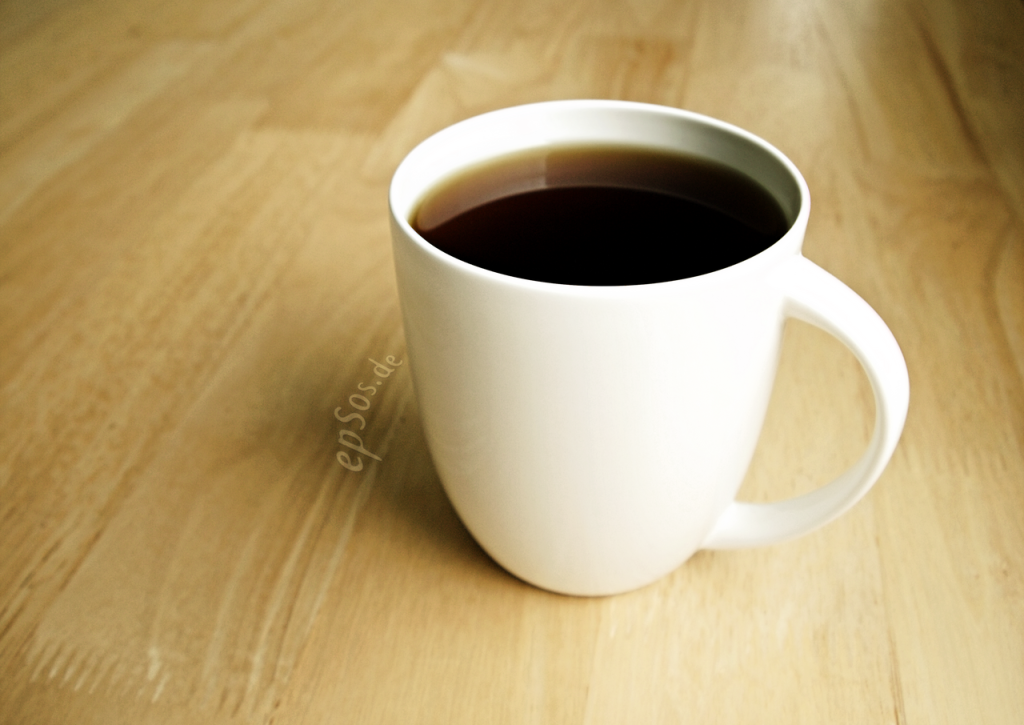
A common myth says dark roast has more caffeine because it tastes stronger. In truth, light and dark roasts deliver nearly identical caffeine, and the real difference is tiny.
Caffeine is remarkably stable through roasting, so the roast level barely changes it. What changes is the bean’s mass, which shrinks as it roasts darker and loses moisture.
If you measure coffee by scoop, dark roast is less dense, so a scoop holds slightly fewer beans and slightly less caffeine. Measured by weight, the difference essentially vanishes.
The perceived difference comes from flavor. Dark roast tastes bolder and more bitter, so people assume it is more caffeinated, when the chemistry says otherwise.
The type of bean matters more than the roast. Robusta contains roughly twice the caffeine of arabica, which is why it appears in energy-focused blends.
If you want more caffeine, brew a stronger ratio or drink more cups. Roast color is simply not the lever to pull, no matter what the packaging implies.