Subscribe

Extraction

Espresso Machine Pressure Testing What Matters

Espresso Machine Pressure Testing What Matters

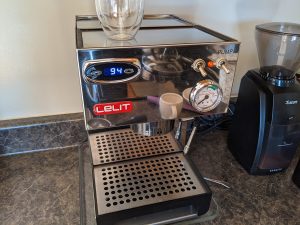
Pressure is the heartbeat of espresso. Nine bars is the classic target, but what matters is not the number on the dial, it is how steadily the machine holds it while water flows through the puck.We test machines with a blind basket and a pressure gauge, watching for spikes, drops, and recovery time. A machine […]

· August 13, 2026
Why Coffee Goes Stale And How To Store It

Why Coffee Goes Stale And How To Store It

Coffee goes stale because oxygen, light, moisture, and time all attack the volatile oils that carry its flavor. Freshness is a race against all four of them at once. Oxygen is the biggest enemy, oxidizing the oils and flattening the aroma within days. Light speeds the process, and moisture invites the beans to absorb off […]

· August 7, 2026
Grinder Versus Machine Where To Spend

Grinder Versus Machine Where To Spend

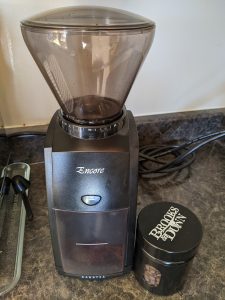
Ask any working barista where to spend your budget and the answer is always the same: the grinder. A great grinder on a modest machine beats a mediocre grinder on a great machine every single time.Espresso demands an extremely fine, perfectly uniform grind. A poor grinder produces a mix of boulders and dust, so water […]

· July 21, 2026
Espresso Machine Versus Stovetop Moka Pot

Espresso Machine Versus Stovetop Moka Pot

The moka pot is often called a stovetop espresso maker, but it is not espresso at all. It brews at roughly two bars of pressure, not nine, and the result is a strong coffee rather than true espresso.An espresso machine forces water through very fine grounds under high pressure, extracting oils and creating the signature […]

· July 18, 2026
Descaling And Maintaining Your Espresso Machine

Descaling And Maintaining Your Espresso Machine

Espresso machines die young for one simple reason: scale. Hard water leaves mineral deposits that clog boilers, block valves, and slowly choke the machine from the inside out. Descaling dissolves those deposits with a mild acid, usually citric acid or a proprietary blend. Run it through the boiler and group head every few months, and […]

· July 4, 2026
Extraction Yield And Tasting Balance

Extraction Yield And Tasting Balance

Every coffee bean contains soluble compounds that water dissolves during brewing. Extraction yield measures how much of that soluble material ends up in your cup, and it is the map behind every good cup. Around eighteen to twenty-two percent extraction is the sweet spot. Below that the coffee tastes sour and weak, a sign of […]

· June 18, 2026
Home Espresso Machines Under A Thousand Dollars

Home Espresso Machines Under A Thousand Dollars

A thousand dollars once bought you a mediocre espresso machine with thin crema and sour shots. Today it buys genuinely good espresso, thanks to a wave of machines packing real pressure into home countertops.The key specification is pressure stability. Machines with a proper pump and PID temperature control hold nine bars consistently, which is exactly […]

· June 17, 2026
How A PID Controller Changes Your Espresso

How A PID Controller Changes Your Espresso

Older espresso machines cycle a boiler on and off, letting temperature swing in a wide band of several degrees. A PID controller tightens that band to a degree or two, and the espresso tastes noticeably cleaner for it.PID stands for proportional integral derivative, a control loop that predicts temperature changes instead of just reacting to […]

· June 8, 2026
Pressure Profiling Versus Flat Nine Bars

Pressure Profiling Versus Flat Nine Bars

Espresso tradition says nine bars of pressure, flat and steady from start to finish. A newer school argues that varying the pressure through the shot extracts more sweetness and less harshness.Flat nine bars is predictable and repeatable, the standard that most cafes run day in and day out. Pressure profiling ramps up slowly, drops mid-shot, […]

· June 6, 2026
The Science Of Crema What It Tells You

The Science Of Crema What It Tells You

Crema is the golden foam that crowns a fresh espresso, and it is a fingerprint of the shot. Its color, thickness, and persistence reveal how the extraction actually went. Crema forms when high pressure forces carbon dioxide and coffee oils into a fine, stable emulsion. Fresh beans make more crema because they still hold more […]

· May 31, 2026
1 2